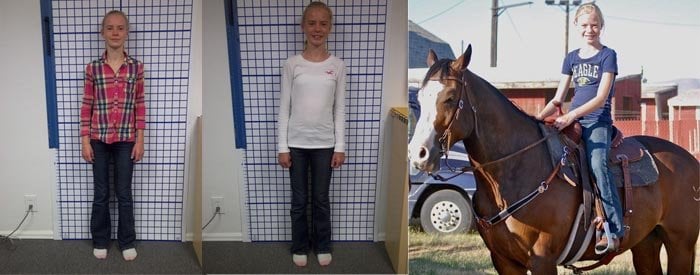
Victoria
Diligent work yielded fantastic results — now she's back in the saddle!
See All Patient StoriesScoliosis Treatment Without Bracing or Surgery
Rhino Scoliosis Center offers groundbreaking, non-surgical treatment for scoliosis and Scheuermann's disease. Led by Dr. Jane Leavell, DC — the only female doctor in the world to develop her own independent treatment protocol.
More Than a Name — It's Our Promise
Reduction
We don't just watch curves — we reduce them. Measurable Cobb angle reduction is the goal of every treatment plan.
Hope
For families told their only options are bracing or surgery, Rhino offers a real alternative — and real results.
Innovation
Dr. Leavell's proprietary protocol — refined over 21+ years — is used by only a handful of doctors worldwide.
No Bracing or Surgery
No rigid back braces worn 23 hours a day. No rods, no spinal fusion. Our patients get their lives back — not more hardware.
Worn a Scoliosis Back Brace? You're Not Alone.
Many of our patients arrive having already endured months or years in a rigid scoliosis back brace — 23 hours a day of pressure sores, restricted breathing, and not being able to hug their friends. If you or your child hate wearing the brace, we understand. Dr. Jane Leavell's treatment protocol requires no back bracing whatsoever — and no surgery. That's the Rhino difference for scoliosis patients across Denver, Westminster, and beyond.
A Different Kind of Scoliosis Care
We challenge the conventional thinking around scoliosis treatment — no passive waiting, no bracing, no surgery.
Why Choose Rhino?
Dr. Leavell was compelled to create Rhino Scoliosis Center in 2003 after perceiving a widespread outcry for alternatives to bracing and surgery. Since then, she has helped patients with curves as severe as 143 degrees — from children to seniors — using her proprietary treatment protocol.
She holds the distinction of being the only female doctor in the world to develop her own independent treatment protocol for scoliosis and Scheuermann's disease.
Meet Dr. LeavellWhat We Treat
Scoliosis
Scoliosis is an abnormal lateral curvature of the spine. We treat all degrees of curvature — from newly discovered mild cases to severe curves — using our non-surgical, evidence-informed approach. Early intervention leads to the best results.
Learn moreScheuermann's Disease
Scheuermann's disease causes an excessive outward curvature of the thoracic spine, creating a rounded or hunched back. Dr. Leavell's protocol provides effective, non-surgical treatment for this challenging condition, offering hope where traditional medicine may fall short.
View treatment optionsDr. Leavell Is 1 of Only 12
Doctors in the World
Fewer than a dozen specialists globally are certified to perform this advanced non-surgical scoliosis protocol. Dr. Leavell is not only one of them — she is the only female doctor to have developed her own independent version of the protocol.
Only 12 practitioners on Earth are qualified to deliver this level of non-surgical scoliosis care.
Dr. Leavell is the only woman in the world to develop her own independent scoliosis treatment protocol.
Over two decades refining her protocol — treating curves from mild to a record 143 degrees without surgery.
Why Patients Travel From Around the World
Because so few practitioners offer this protocol, patients fly in from across the United States and internationally to be treated at Rhino Scoliosis Center. For many, it is their last hope after being told surgery was inevitable.
Dr. Leavell has treated curves as large as 143 degrees — cases most doctors would consider inoperable or untreatable without surgery. Her results speak for themselves.
Dr. Leavell in the Media
Watch news coverage and patient stories about Dr. Jane Leavell's groundbreaking non-surgical scoliosis treatment.
News Story
Patient Story
The Impact of Surgery at a Young Age
Understanding the long-term effects and challenges patients face after early spinal surgery.
What Nobody Tells You About Scoliosis Treatment
Highlights from Dr. Jane Leavell's Rhino Scoliosis Reduction™ lecture — the facts about conventional care that families are rarely given before making life-changing decisions.
Who Gets Scoliosis?
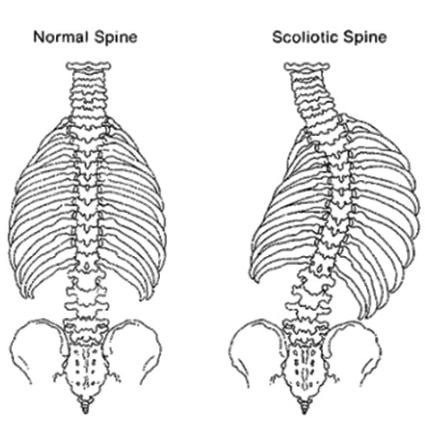
How Scoliosis Is “Normally” Treated
The conventional three-step path — and where it usually leads.
Watch & Wait
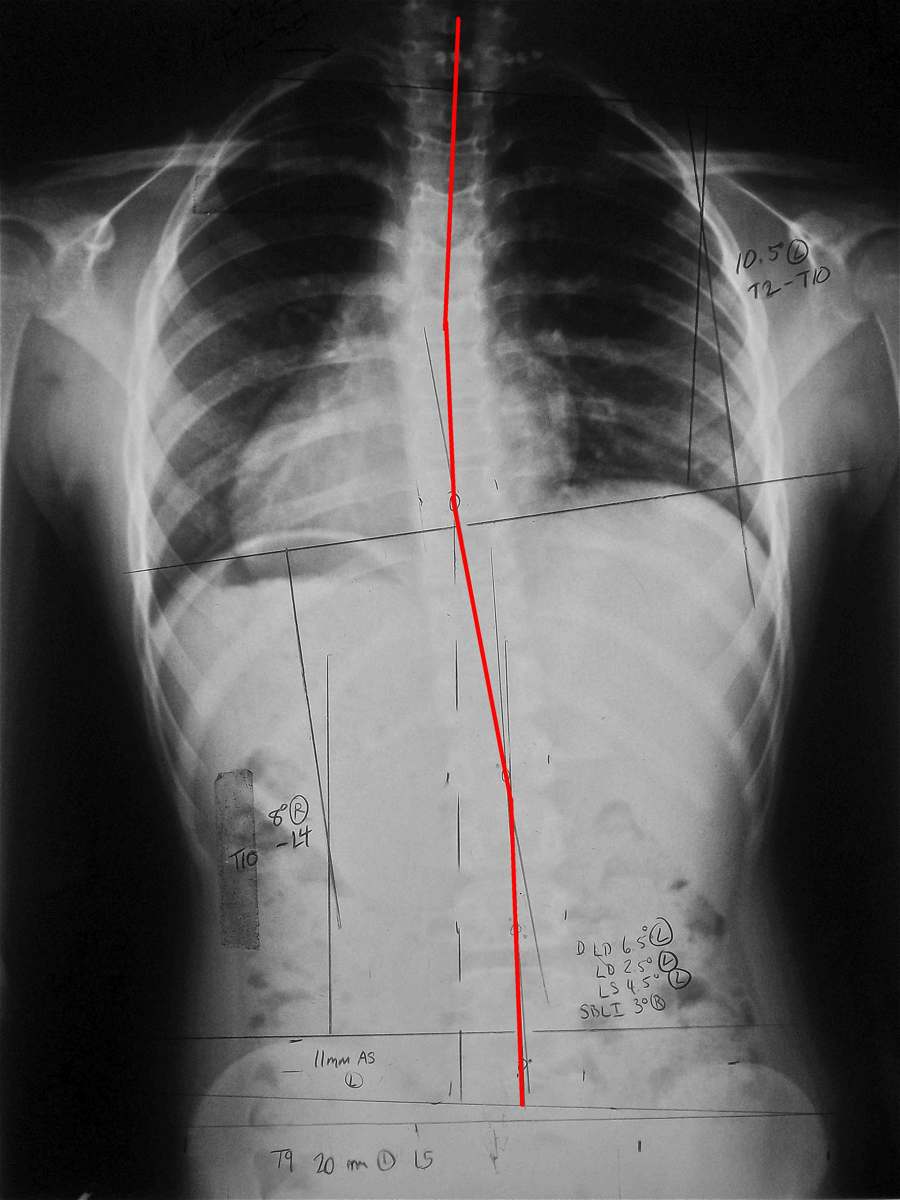
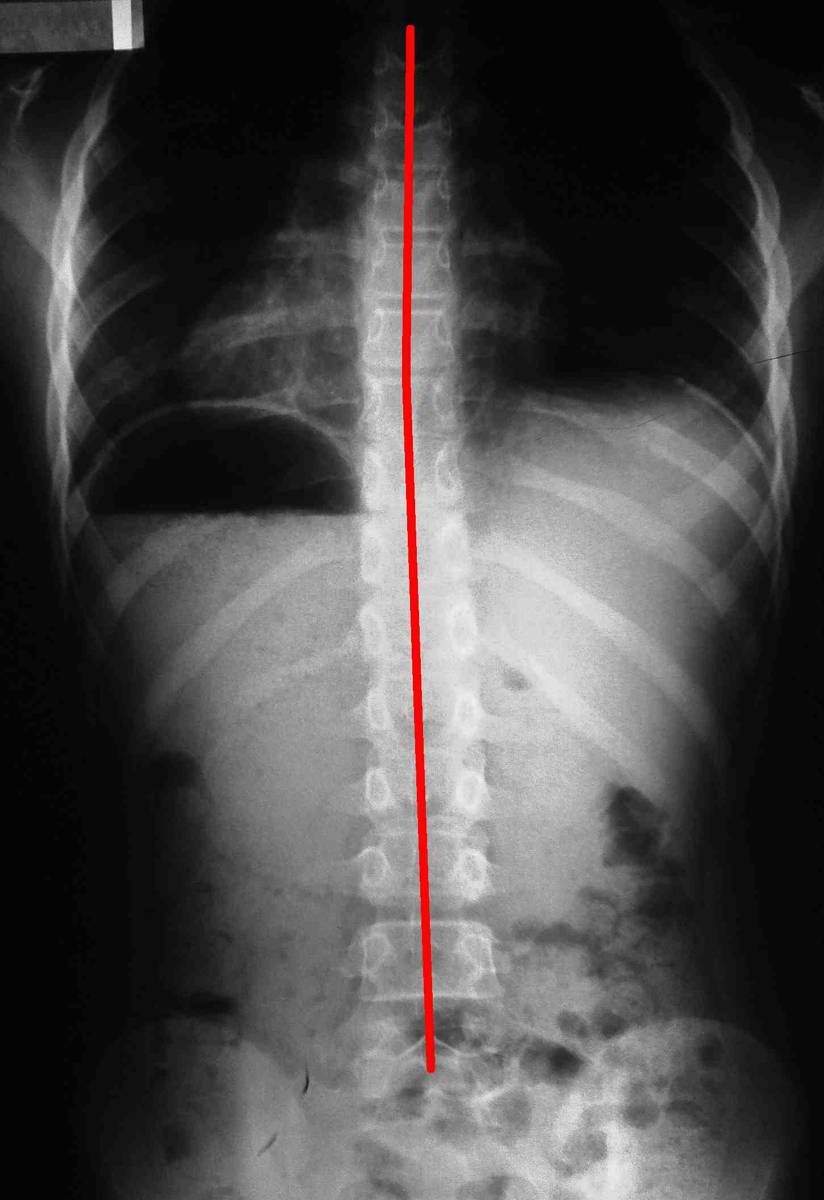
Patients are told there is nothing medically that can be done to “help.” The usual outcome? The curve keeps progressing — while the best window for treatment quietly closes.
Bracing
23-hours-a-day bracing is recommended. Yet more children who wear a brace go on to have surgery than those who don't — and bracing brings serious problems of its own.
Surgery
Spinal fusion surgery is recommended. The usual outcome of a first surgery is a second surgery — and 15 years post-surgery, over 55% of patients are considered permanently disabled.
The Usual Outcomes — Side by Side
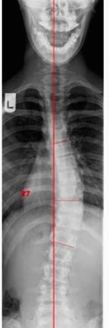
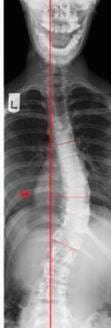
The Problems With Bracing
- Extreme psychological distress — in one cited study, 76% of girls who had to wear a brace to school never married
- Pressure sores and pain
- Adverse effects on the heart and lungs
- Unmet touch needs (“I can't hug my friends”)
- Hot, difficult bathroom trips, hard-to-fit clothing, and new braces needed with every growth spurt
- Bracing reduces the size of the thoracic cavity and makes the rib hump worse
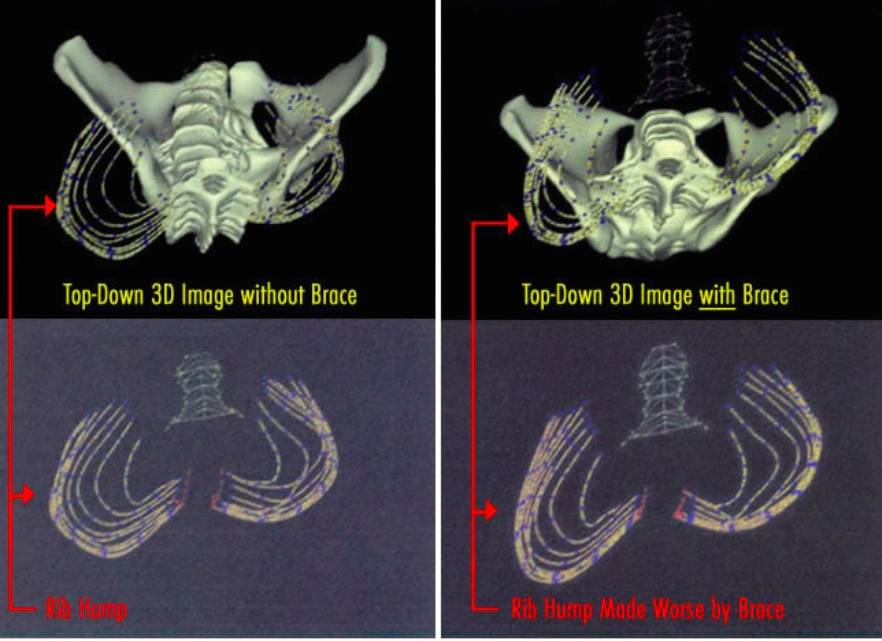
The Surgery Cycle
The usual outcome of a first scoliosis surgery is a second surgery. Fifteen years post-surgery, over 55% of patients are considered permanently disabled — many after upwards of five surgeries. Common reasons a revision becomes necessary:
- Non-union and pseudoarthrosis
- Deep infection
- Broken rods
- Bolts that have pulled out from the bone
- Ongoing pain
- Toxicity from implanted metal
“How can a 2nd surgery be prevented? Don't have the 1st surgery. This strategy has been shown to be 100% effective.”
— Dr. Jane Leavell, RSR™ Lecture
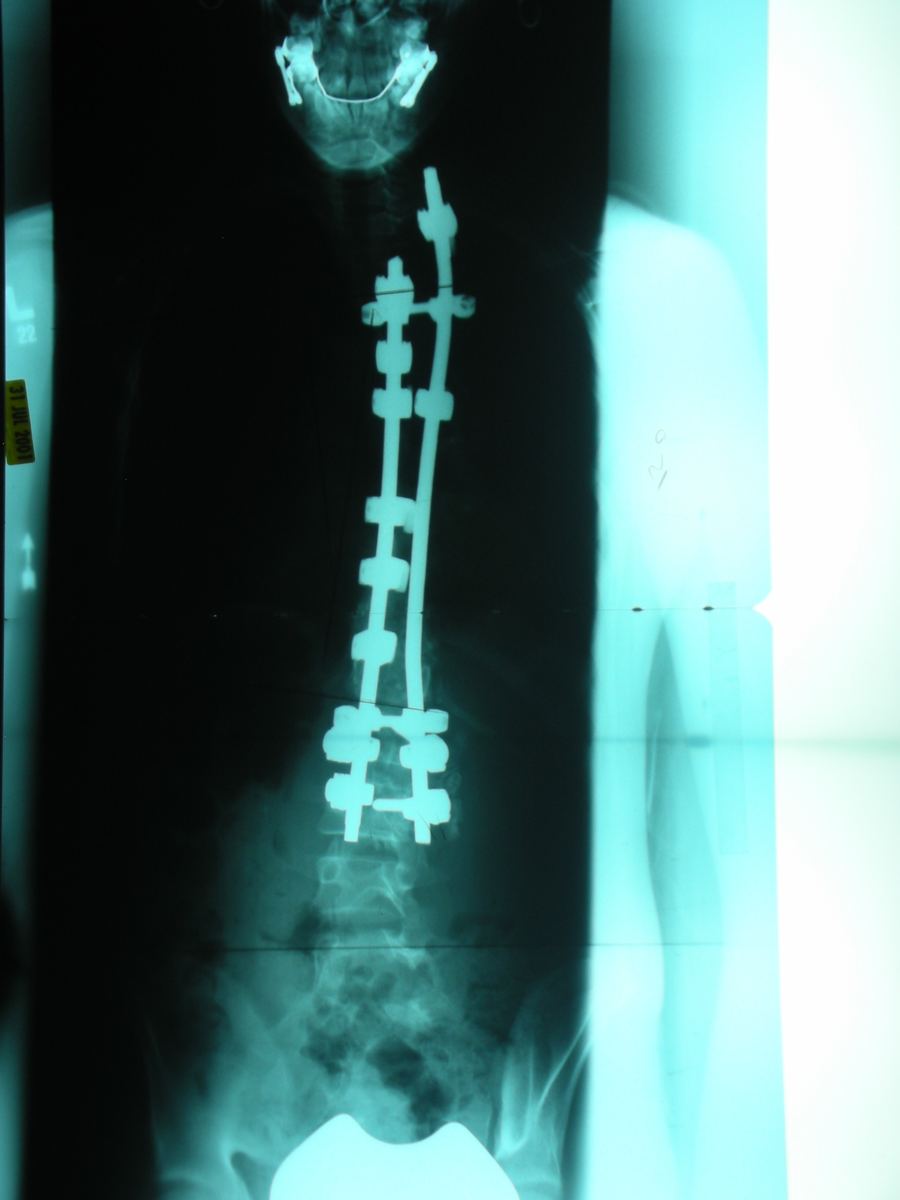
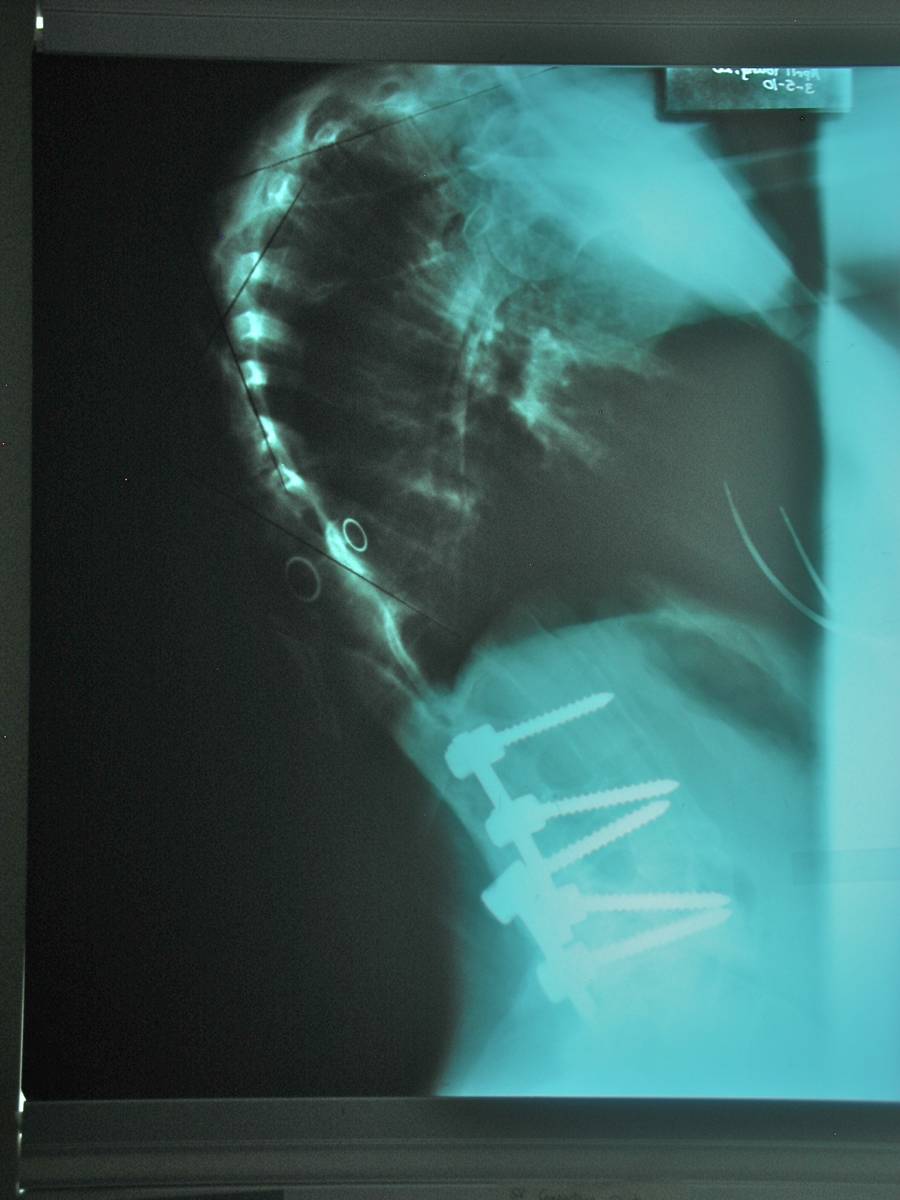
April's Story: Where the Conventional Path Can Lead
A real case presented in Dr. Leavell's lecture — one child's journey through “watch and wait,” then surgery after surgery.
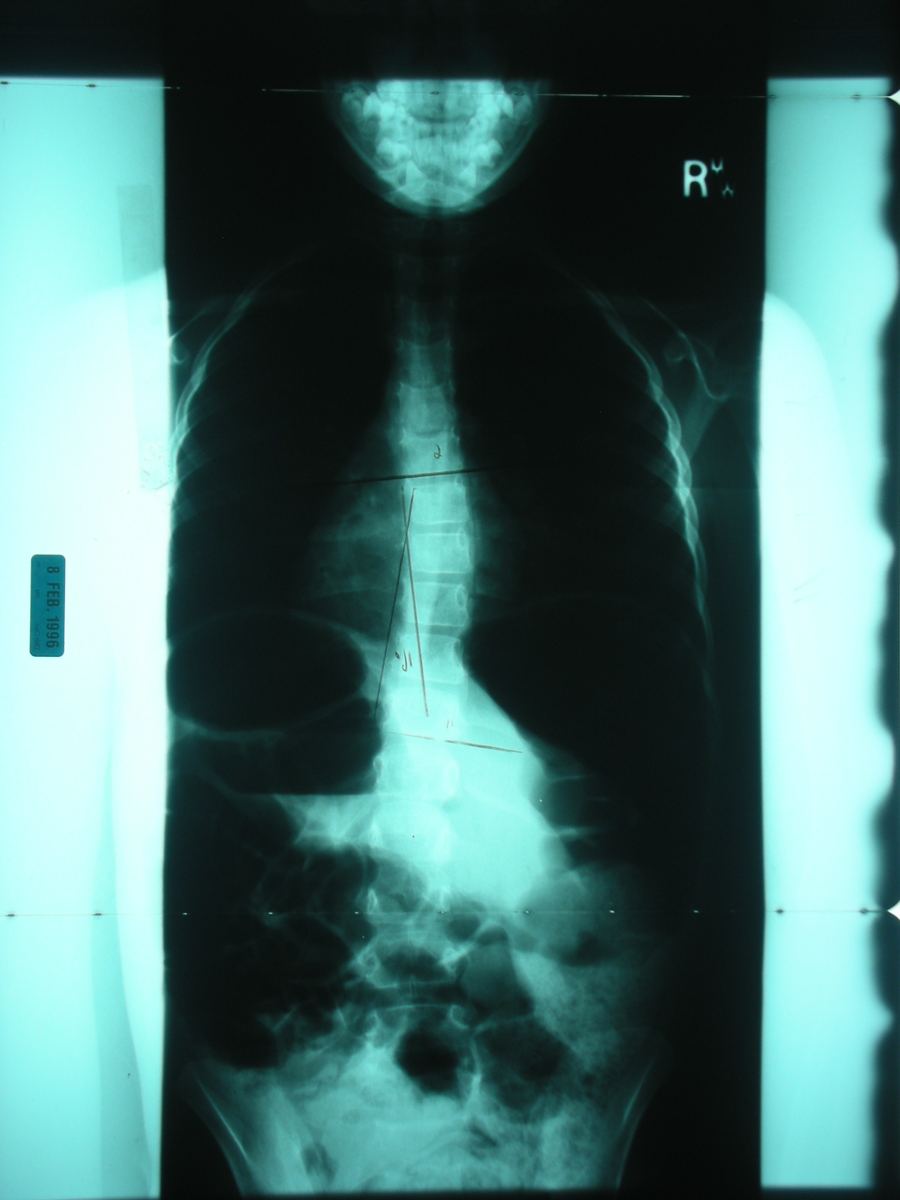
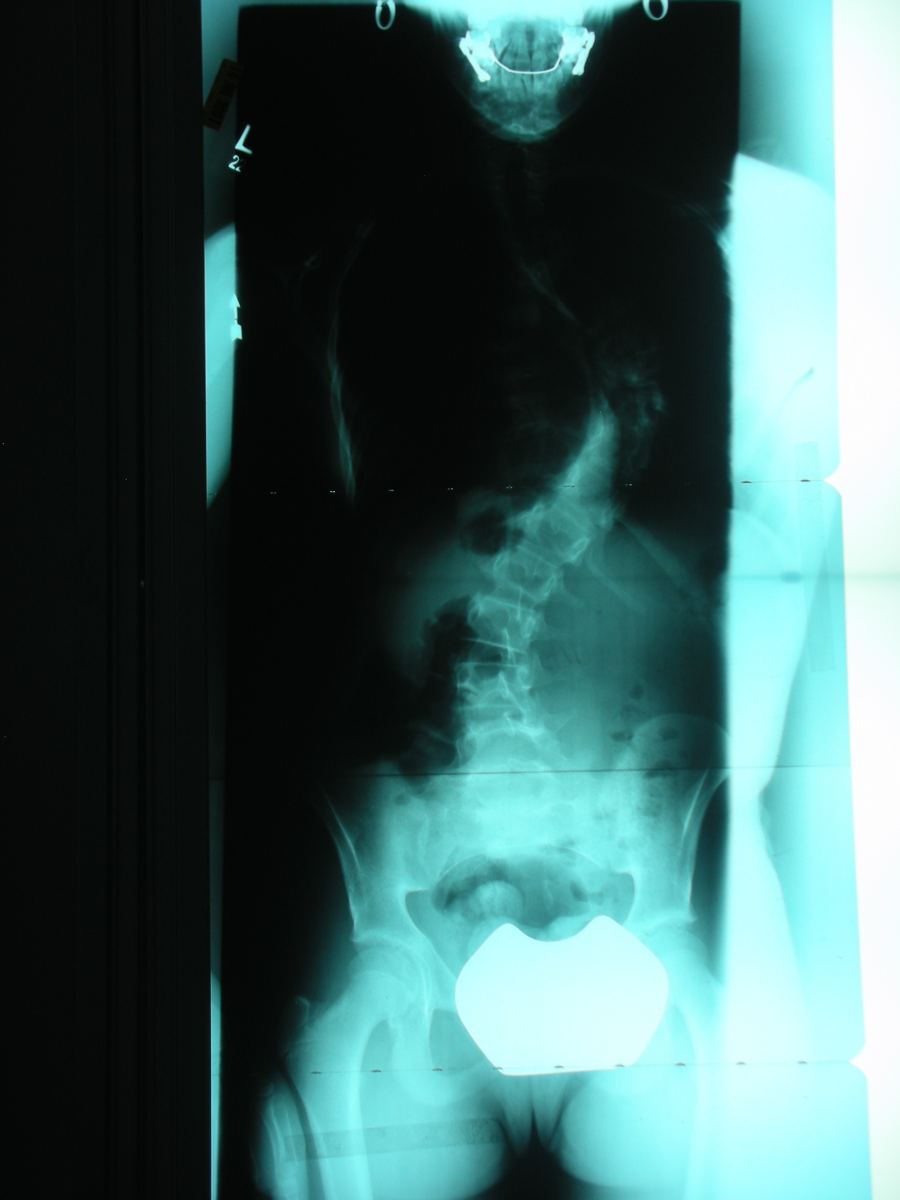
16° curve — the “watch and wait” years begin
Curve progresses from 55° to 78° in just five months; 1st surgery
2nd surgery after hardware complications
3rd surgery — collapse — followed by a 4th surgery
5th and 6th surgeries
Curve measured back at 57° — after six surgeries
Six surgeries later, April's curve had returned to 57° — larger than when her first surgery was performed. Stories like April's are why Dr. Leavell built a different path.
RSR™ Case Studies From the Lecture
What early intervention with the Rhino Scoliosis Reduction™ protocol has looked like for real patients.
Rachel P.
Age 8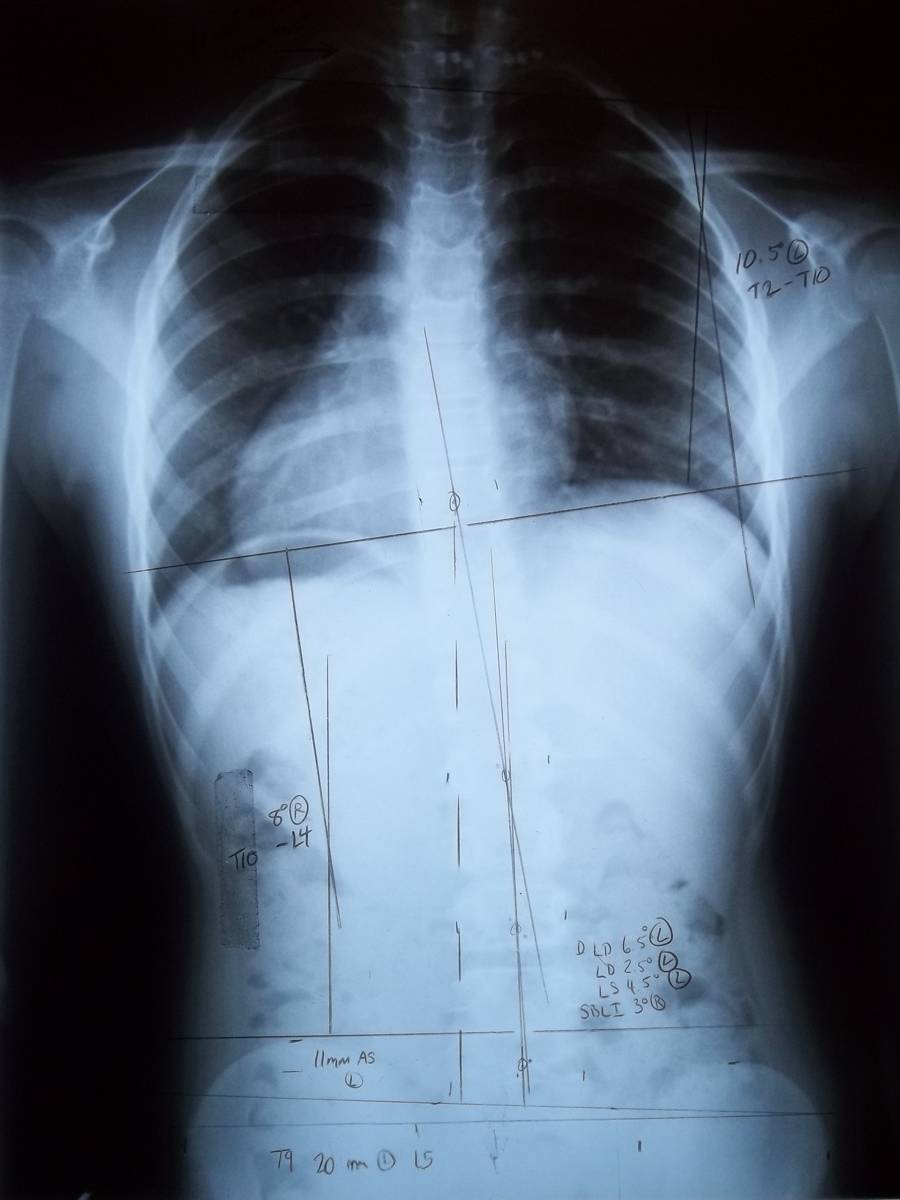
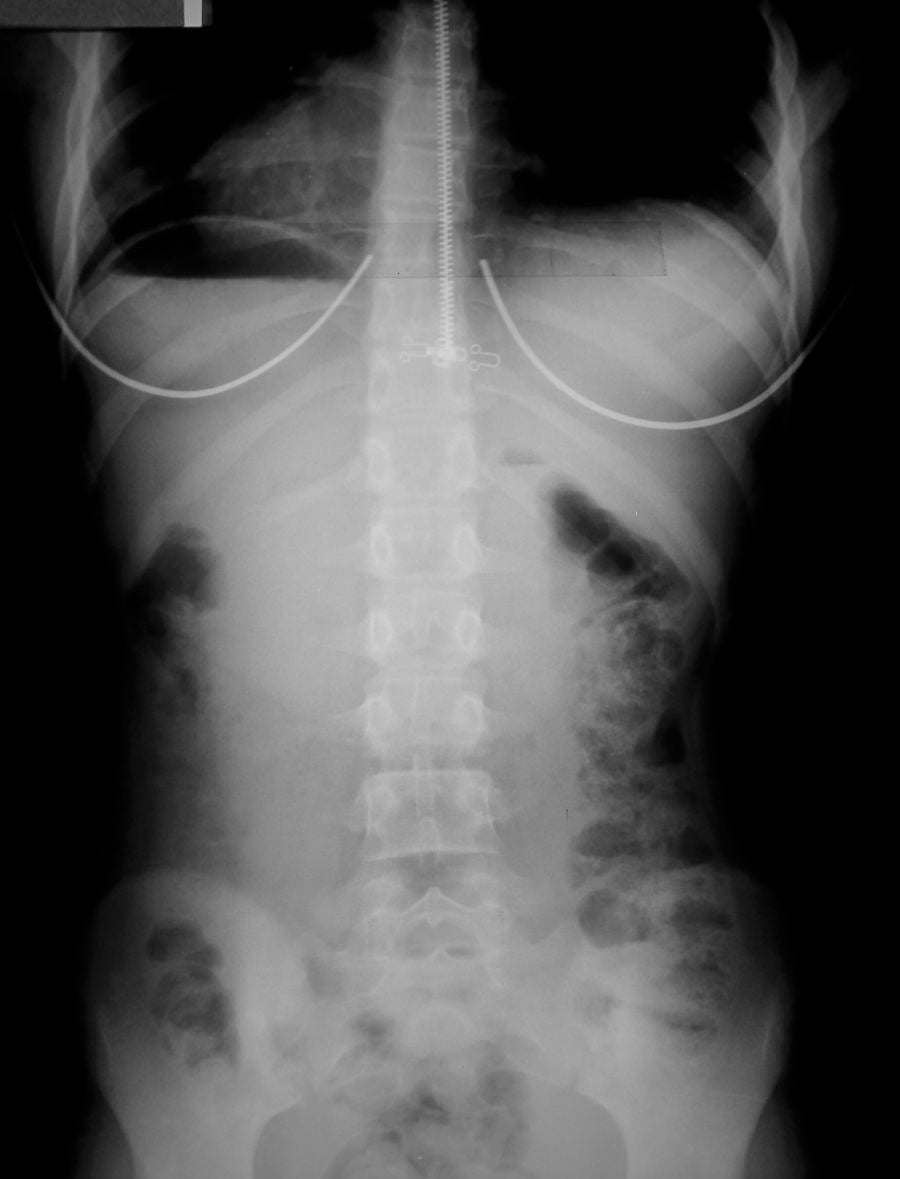
Diagnosed at age 8, with an older sister already suffering from severe scoliosis. Ten months into RSR™ treatment her spine was dramatically straighter — and follow-ups at 15 months, 23 months, and 2 years 8 months showed the correction held.
David S.
Age 14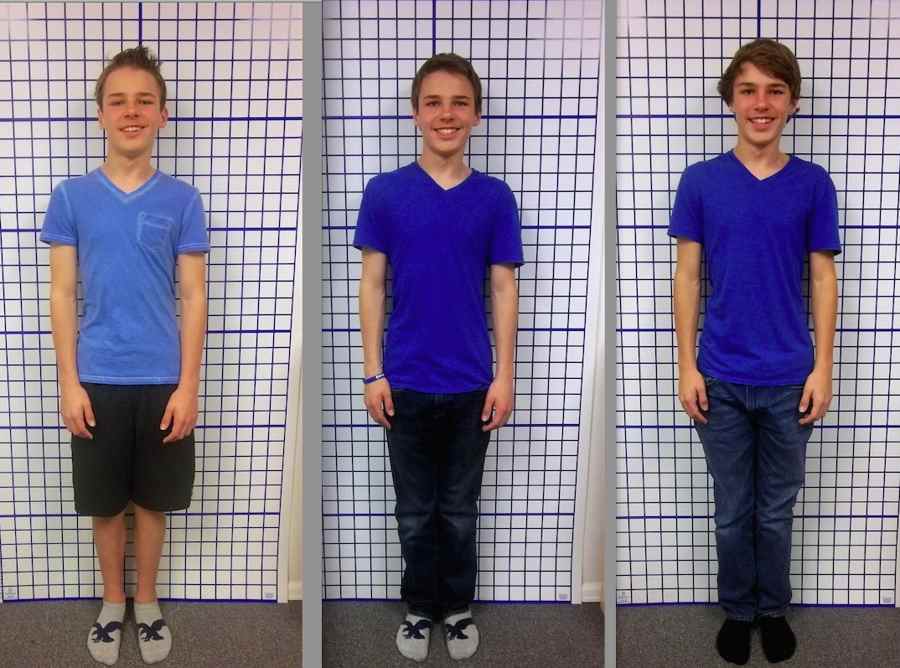
Visible improvement documented from Day 1 to 1 month to 3 months of treatment — during the adolescent growth window when conventional wisdom says curves can only get worse.
Zeinab
1 week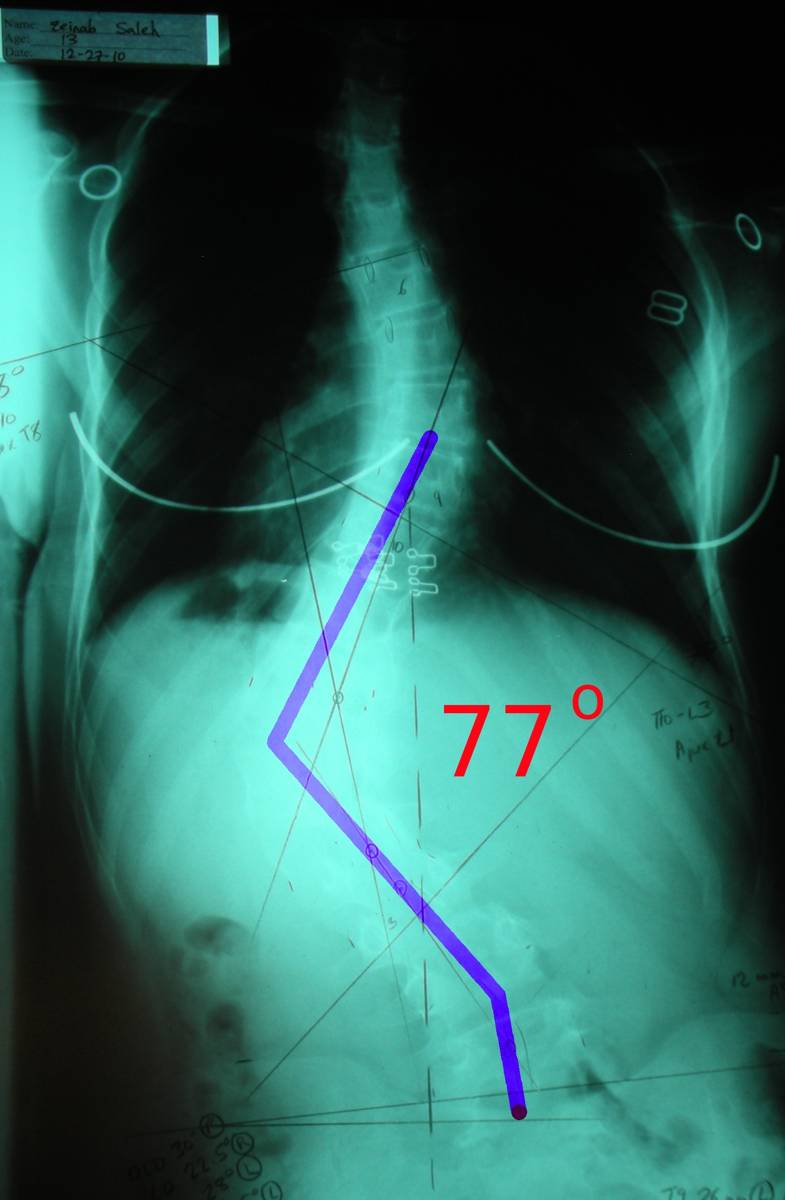
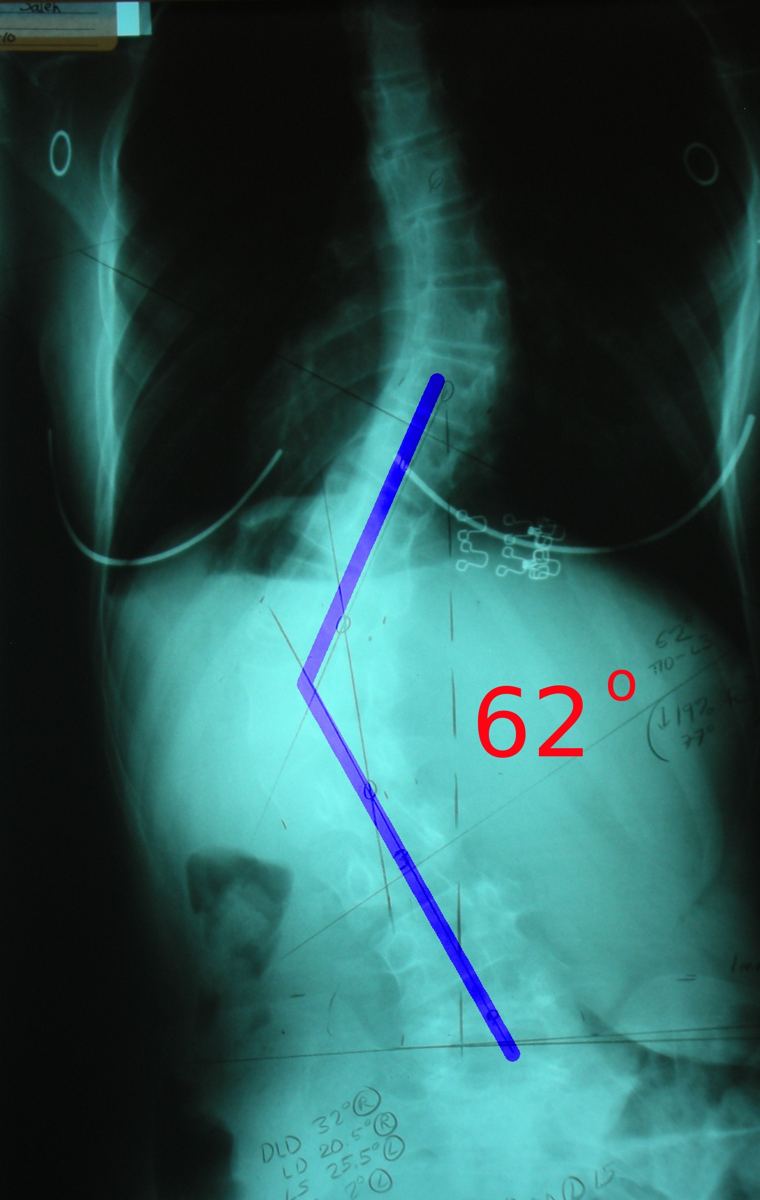
An intensive Monday-to-Friday treatment week. Comparing the Day 1 pre-treatment X-ray to the Day 5 post X-ray showed a 15-degree reduction — from 77° to 62° — in just five days.
“My doctor told my mom that nothing would help my scoliosis except for wearing a brace or having surgery. My mommy got me a new doctor. That fixed that!”
— Final advice from a young patient, as shared in Dr. Leavell's lecture
Google Reviews
4.0on Google (12 reviews)"I’ve been attending Dr. Jane’s office since I was a kid, now as an adult I still go regularly to Dr. Jane for treatment of my scoliosis. Over the years she has provided compassionate and extremely in depth care! Despite my struggles with the severity of my scoliosis due to my growth spurts, the…"
Read on GoogleRose
Google review"Dr. Jane is amazing. I had a small scoliosis (less than 15 degrees) but it was giving me significant issues breathing. I had gone through a few other treatments from other providers with mixed success before seeing Dr. Jane. Due to the location of my scoliosis (upper thoracic) it's very difficult…"
Read on GoogleJames Rudd
Google review"My daughter's curve went from 38 degrees down to 18 degrees after being treated by Dr. Jane. My daughter was wearing a horrific Charleston brace, shoe inserts, and was on course for back surgery - metal rod in her back. We tried Dr. Jane, and it was the best thing we've ever done for our…"
Read on GoogleJanet Nordlie
Google reviewReady to Start Your Journey?
Spaces are limited. The sooner you get started, the better your prognosis — smaller curves are easier to treat.